Electric PTO Clutch Problems? It Might Not Be the Clutch
Some links here are affiliate links — if you buy through them, Dirt Road Mechanic earns a commission at no extra cost to you. It never affects which parts or tools we recommend. Full disclosure.
Electric PTO clutch problems have a habit of costing people twice: once for a clutch they didn’t need, and again when the blades still won’t turn because the real fault was a seat switch. A replacement clutch is a sealed, all-or-nothing part, so prove it’s bad before you order one.
Two Different Systems Wear the Same Name
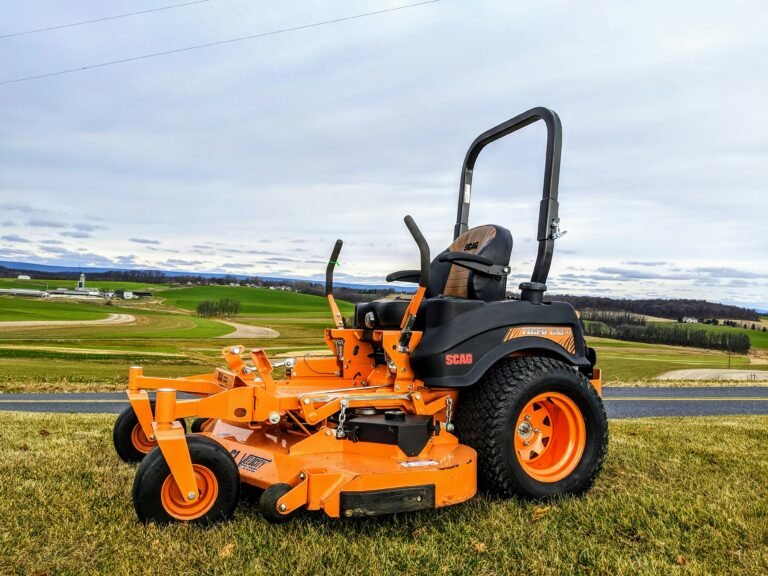
On a zero-turn or lawn tractor, “electric PTO” means an electromagnetic clutch on the bottom of the crankshaft. Flip the switch, and 12 volts energizes a coil, which pulls a steel armature against a spinning rotor to drive the deck belt. Shut it off, and a brake built into the same assembly stops the pulley.
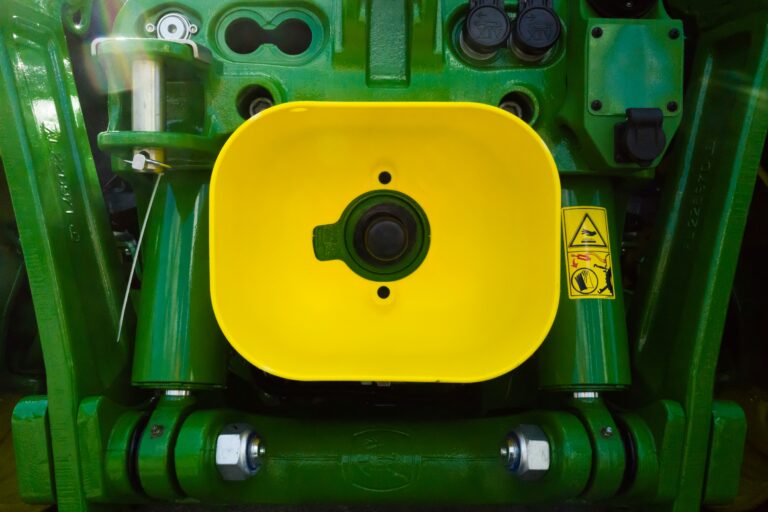
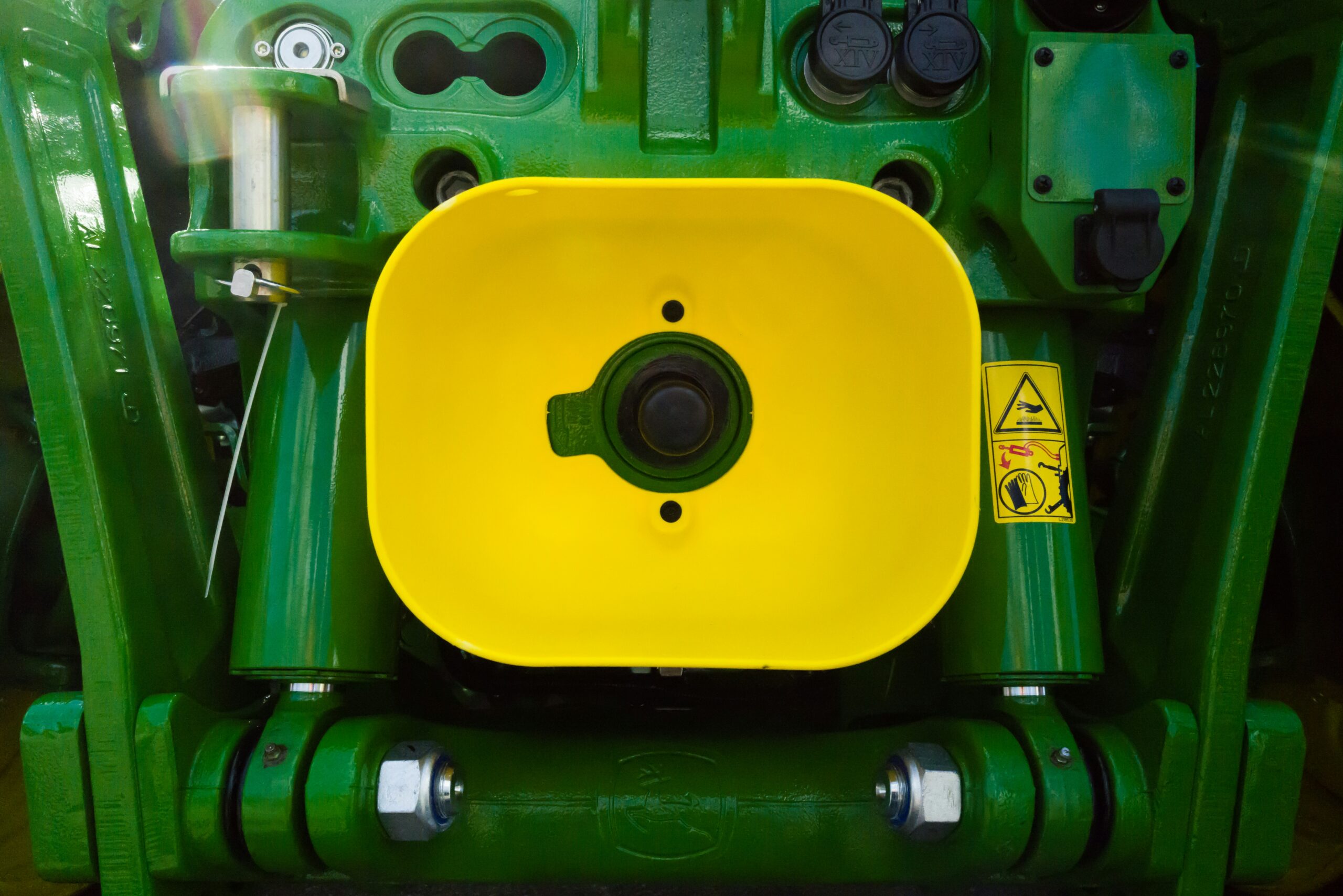
On a compact tractor, it usually means something else. A John Deere 1025R has a wet disc independent PTO clutch, with the rear shaft at 540 rpm and the mid at 2,100 rpm, both at 3,200 engine rpm, according to TractorData. The switch powers a solenoid on a valve, and hydraulic pressure engages the clutch pack, so the electrical side ends at the solenoid. 1025R owners on Green Tractor Talk have posted threads about a “PTO Coil Fault” code, which is that solenoid circuit reporting in. If the solenoid gets power and the shaft still won’t turn, the problem is hydraulic, and the tractor PTO troubleshooting guide covers that side.
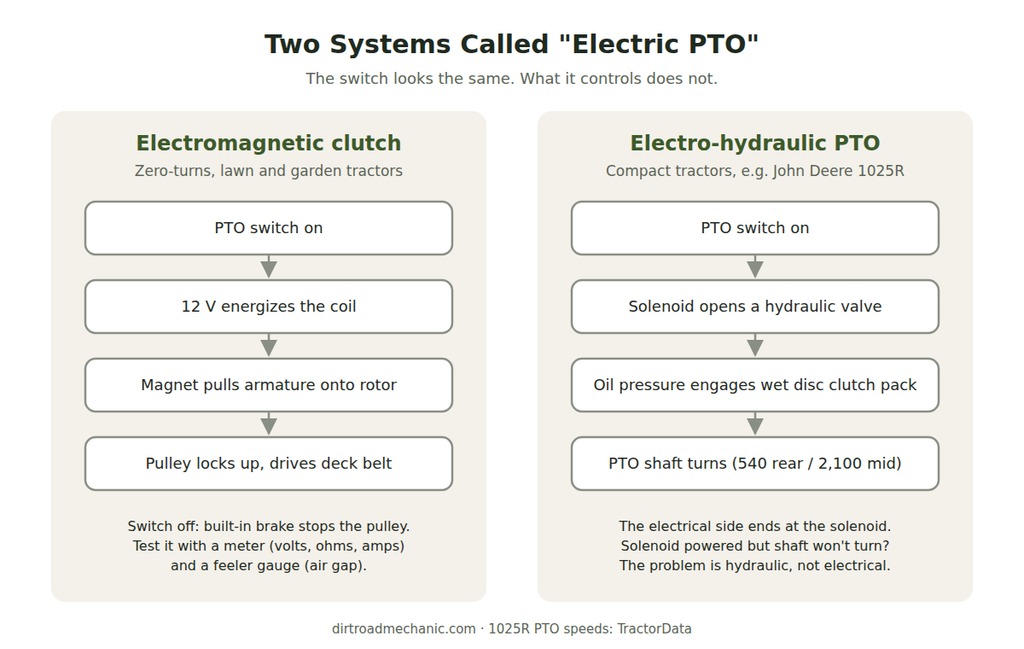
Same switch, two very different systems behind it.
How the Coil and Bearing Wear Out
The coil fails from heat cycling. A member on Green Tractor Talk explained it well: the wire expands while the PTO runs and contracts when it cools, and over time that movement rubs the thin varnish insulation off the windings until they short together. A partly shorted coil makes a weaker magnet, so the clutch slips under load, and it can pull extra current that stresses the rest of the circuit.
The other common failure is the pulley bearing. Grit that works into it can make it drag or seize, and since the bearing works with the brake to stop the pulley, a bad one can leave the blades coasting.
Ox Clutch lists low voltage, oil or grease on the friction faces, and a deck packed with wet grass as the usual causes of slipping. A clattering clutch usually points to a loose anti-rotation bracket or an under-torqued center bolt.
Blades that keep spinning after you shut the PTO off are a safety problem. In August 2026, the CPSC announced recall 26-648 on about 320 DR Power PRO MAX30 mowers after 19 reports of blades that ran without the control engaged or didn’t stop on release (CPSC). If your blades won’t stop, park the machine until it’s fixed.
Most Clutches That Won’t Engage Aren’t Dead
The clutch sits at the end of a chain: battery, key switch, fuse, relay, PTO switch, seat switch, sometimes a brake or neutral switch, then the clutch wire and its ground. Any link can make a good clutch look dead.
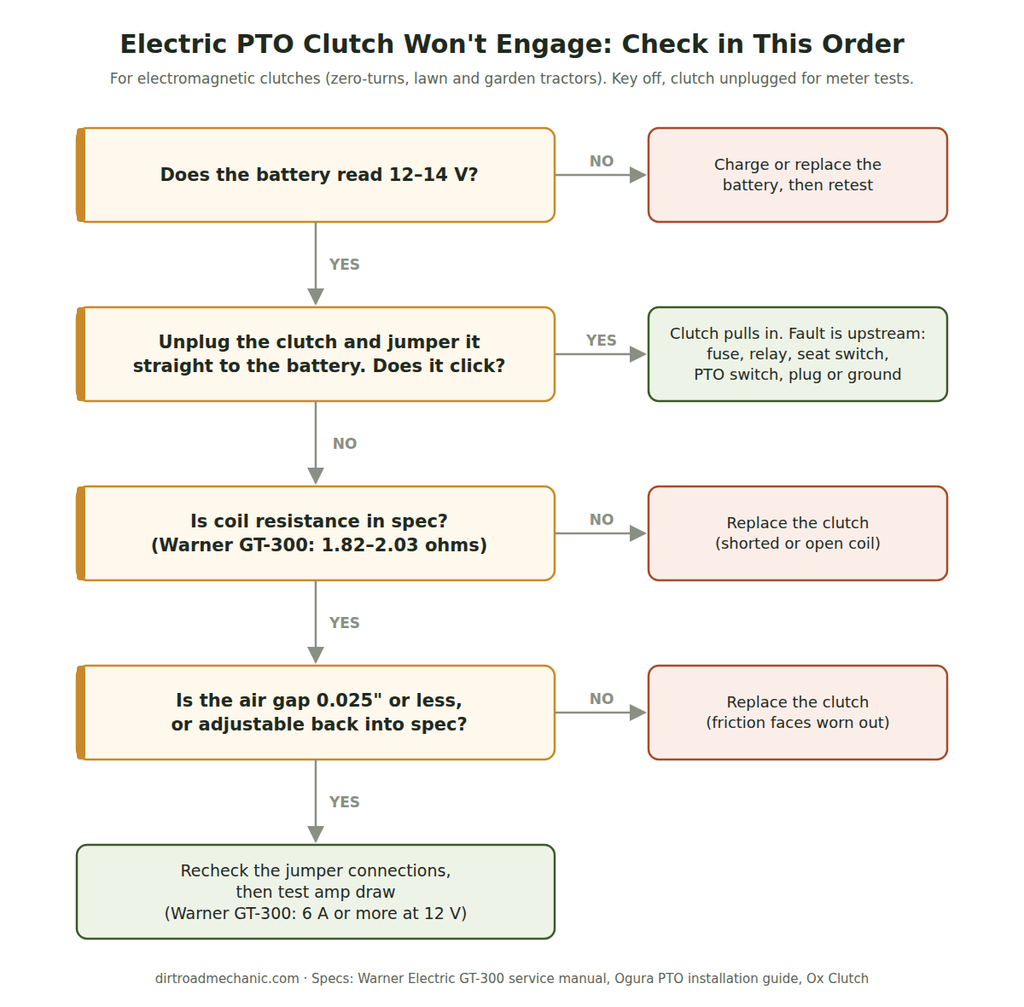
Work down from the top. Each step rules out the cheaper fix before you buy a clutch.
Start with the battery. Ox Clutch calls for 12 to 14 volts at the clutch wire, and a tired battery may not hold enough to pull the armature in. If it’s low, charge it with something like the NOCO Genius 10 and test again before blaming anything else. If it won’t hold a charge, the tractor battery guide covers replacements.
Next, check the plug at the clutch. It lives down in the wet and the clippings, and a green, crusty terminal drops voltage just like a weak battery. Clean it and pack it with Permatex dielectric grease so it doesn’t corrode again, and check the ground wire back to the battery negative.
The quickest way to split the problem in half: unplug the clutch and run jumper wires straight from the battery to its terminals. A good clutch clicks hard. If it clicks on the jumpers but not through the harness, the fault is upstream in a switch, fuse,se or relay, and the tractor electrical problems article covers tracing it.
Three Readings That Decide It
With the clutch unplugged and the key off, three measurements tell you whether it’s the clutch. A Fluke 115 handles the first two.
Coil resistance. Measure ohms across the clutch’s two terminals. Warner’s service manual puts a good GT-300 coil between 1.82 and 2.03 ohms and says to replace it outside that range (Warner Electric). Other clutches have their own numbers, so look up yours. Low means shorted windings; an open reading means a broken wire inside the coil.
Current draw. Put the meter in series on its amp setting and energize the clutch. Warner says a GT-300 should draw 6 amps or more at 12 volts. Below that, look at the battery, relay, and switch before the clutch. Resistance rises as the coil heats, so a clutch that only quits once warm should be tested hot.
Air gap. Slide a feeler gauge between the armature and rotor at the inspection slots. The gap grows as the friction faces wear. Ogura’s published ranges:
| Ogura clutch model | Air gap |
|---|---|
| GT1, GT1A | 0.012″–0.024″ |
| GT2, GT2.5 | 0.015″–0.024″ |
| GT3.5, GT4, GT5 | 0.016″–0.024″ |
Source: Ogura installation and maintenance guide. Ox Clutch’s rule is that a gap over 0.025″ that can’t be adjusted back means the clutch is done.
Putting a New One On
Ogura states that the bearings are sealed for the life of the clutch, and that the armature, rotor, and brake wear together and can’t be replaced one at a time. The fix is a complete assembly.
Torque the center bolt to spec. Ogura calls for 30 to 55 ft-lbs depending on bolt grade, with threadlocker on diesels. Warner’s GT-300 takes 65 to 80 ft-lbs on a 7/16-20 Grade 8 bolt. Snug the anti-rotation bracket, too.
Then burn it in. Ogura’s procedure is 25 to 50 engage-and-release cycles at light load under 2,000 rpm, timed by deck size. A 48- to 52-inch deck gets 10 seconds on and 10 off. Skip it and the friction faces don’t mate properly, and the new clutch can slip early.
Quick Answers
Can you rebuild a PTO clutch instead of replacing it? Not the common Ogura and Warner units. The bearing is sealed, and the wear parts aren’t sold separately.
Why does my PTO work when it’s cold but cut out once it warms up? Coil resistance climbs with heat, and worn insulation tends to short once the windings expand. Test resistance and current while it’s hot to catch it.
Most electric PTO clutch problems come down to a reading you can take in the driveway. Get the voltage, ohms, and gap first, and if you do buy a clutch, it’ll be one you needed. For related failures, see the PTO symptoms guide and zero-turn mower problems.