Tractor Glow Plug Problems: Why Your Dash Light Might Be Lying to You
Some links here are affiliate links — if you buy through them, Dirt Road Mechanic earns a commission at no extra cost to you. It never affects which parts or tools we recommend. Full disclosure.
Tractor glow plug problems usually show up on the first cold morning a machine sits outside: the starter spins, a little white smoke drifts out, and nothing catches. The tempting move is ordering a full set of plugs. On the forums, plenty of owners who did that found the plugs were never the problem.
Why Compact Diesels Can’t Skip the Preheat
Most compact tractors run indirect-injection diesels. Fuel sprays into a small precombustion chamber beside each cylinder, and that chamber needs heat to light off when the engine is cold. That’s the glow plug’s job; compression alone often can’t do it on a cold morning.
That design is also why ether is a bad idea on these engines. A mechanic on Yesterday’s Tractors said the damage he’s seen from ether on indirect-injection engines is mostly cracked precombustion chambers, and most of those engines carry a factory warning label against it. Many older big ag tractors were the opposite: direct injection, no glow plugs, and sometimes a dash button that squirted ether into the intake. What worked on Grandpa’s old International doesn’t carry over to a modern compact.
The Relay and Timer Fail More Often Than the Plugs
A glow plug circuit has a handful of parts: a high-amp fuse, a relay, a timer or controller that decides how long the relay stays closed, a bus bar or strap tying the plugs together, and the plugs themselves. Any one of them can leave you cranking, and the usual electrical problems apply.
The recurring theme on TractorByNet is that the relay or timer goes first. One New Holland TC40D owner was told by other members that the fix would be a new glow plug timer, not the relay, and that his model had a history of eating timers. The part ran $65. On a Kubota L3240 thread, a member pointed out that a run of those tractors left the factory with the wrong glow plug and fuel solenoid relays. The owner then got the upgraded OEM relay with bigger copper terminals.
That’s why buying plugs first is a gamble. A Kubota B7100 owner summed up the fear: he didn’t want to buy three plugs, install them, and then find out it was the controller, because neither part could be returned.
Don’t Trust the Dash Light
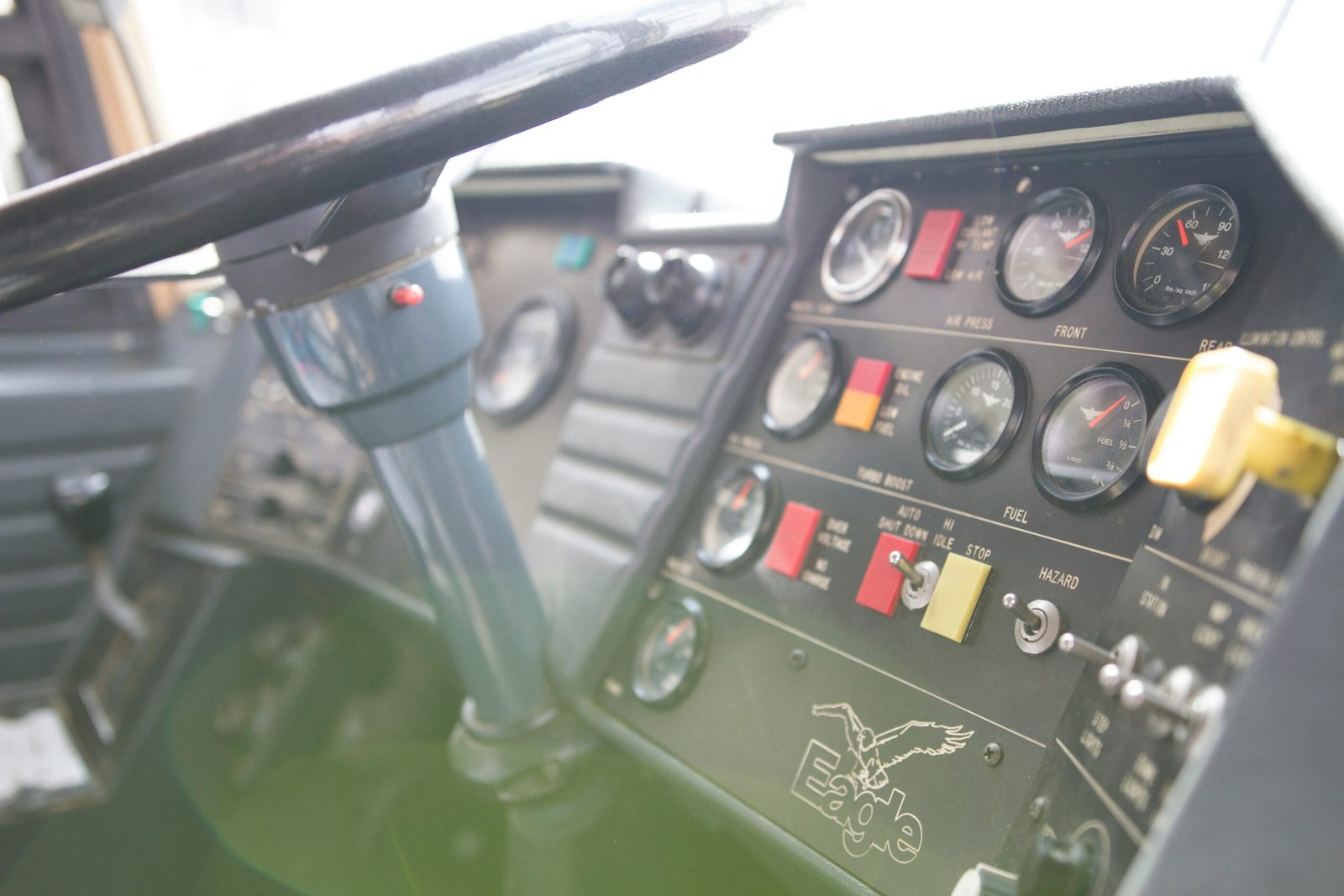
The preheat light only tells you the controller thinks it’s sending power. It doesn’t tell you power is getting to the plugs. On a Kioti DK35, the light came on like normal, but the plugs were getting nothing. The culprit was the timer controller on the firewall.
On some machines, the light timing doesn’t match what the engine needs either. A Massey Ferguson GC owner on TractorByNet said his dealer told him 12 seconds of preheat at 0°F would do it. In practice, he needed closer to a minute, sometimes followed by another 30-second cycle. If your light goes out and the engine still won’t fire, try a second cycle before assuming something is broken.
Testing Each Plug With a Meter
Glow plugs tend to fail open, meaning the heating element breaks and the plug reads no continuity at all. A plug failing this way is usually a single plug, not the whole set. One TractorByNet member’s rule of thumb: if the trouble is new, you probably have one bad plug, and any plug reading noticeably higher than the lowest two is at least suspect.
To test, pull the bus bar or individual leads so you’re reading one plug at a time, then measure from the terminal to the engine body with a meter like the Fluke 115. The numbers run very low. A Kubota B2710 workshop manual, as quoted by an owner, lists the spec at approximately 0.9 ohms. That’s close enough to zero that cheap meters struggle, so touch your leads together first and subtract that reading. If your manual has a spec, use it. If not, compare the plugs to each other.
Skip the ordinary 12-volt test light. Members point out that it can light up even through a bad plug because it draws so little current.
If a plug needs to come out, soak the threads with PB Blaster first and give it time to work. One owner warned that a plug with a bulged tip may not come back out through the hole, and the fix can mean pulling the head. Don’t guess at torque on the new one. The Kubota B7300 manual calls for 5.8 to 10.8 ft-lb, a lot less than most people would apply by feel.
Cheap Fixes Before You Buy Parts
These plugs pull serious current. A member on OrangeTractorTalks worked through the math on a Kubota D1105: about 10 amps per plug, 30 amps for all three, so just 0.1 ohm of resistance in a corroded connection drops about 3 volts before the power reaches the plugs. The owner in that thread was only measuring 9.5 volts at the plugs.
That makes connections worth checking first:
- Clean the bus bar and the tops of the plugs. One TractorByNet owner scrubbed his strap and plug tops with a small brass brush, and his tractor went back to starting like new.
- Coat cleaned terminals with dielectric grease to keep moisture out.
- Check the main high-amp fuse feeding the relay. On the L3240, it’s a 50-amp slow-burn fuse near the battery.
The Order to Check Things In
- With the key in the preheat position, measure voltage at the bus bar. No voltage means the problem is upstream.
- Listen or feel for the relay clicking. A click with no voltage out points to the relay’s contacts.
- No click at all points to the timer, controller, or the low-current wire that triggers the relay.
- If voltage is reaching the bus bar, pull the leads and check each plug’s resistance.
If the glow plug circuit checks out and the engine still won’t fire, look at fuel gelling next. Slow cranking points to the battery or starter instead. For daily cold-start fights, a block heater and a solid winterizing routine help. Kubota owners, see Kubota tractor won’t start.
FAQ
Can a tractor start with one bad glow plug? Often, yes. It may start rough and smoke until the dead cylinder warms up and starts firing. In real cold, though, one dead cylinder can be enough to keep it from catching.
Before you put a new set of plugs in the cart, test the circuit. With tractor glow plug problems, the fix is often a fuse, a dirty strap, or a $65 timer.