Best Utility Tractor in 2026: What to Buy Before Used Inventory Runs Out
Some links here are affiliate links — if you buy through them, Dirt Road Mechanic earns a commission at no extra cost to you. It never affects which parts or tools we recommend. Full disclosure.
The best utility tractor for your operation in 2026 isn’t just a question of horsepower and brand loyalty anymore — it’s about timing, tariffs, and whether you can even find a utility tractor sitting on a dealer’s lot. Farmers who’ve been running the same worn-out workhorse for fifteen years are finding that stepping up to a real utility tractor right now means navigating a market that looks nothing like it did even two years ago.
What Actually Makes a Utility Tractor Different From What You’ve Got
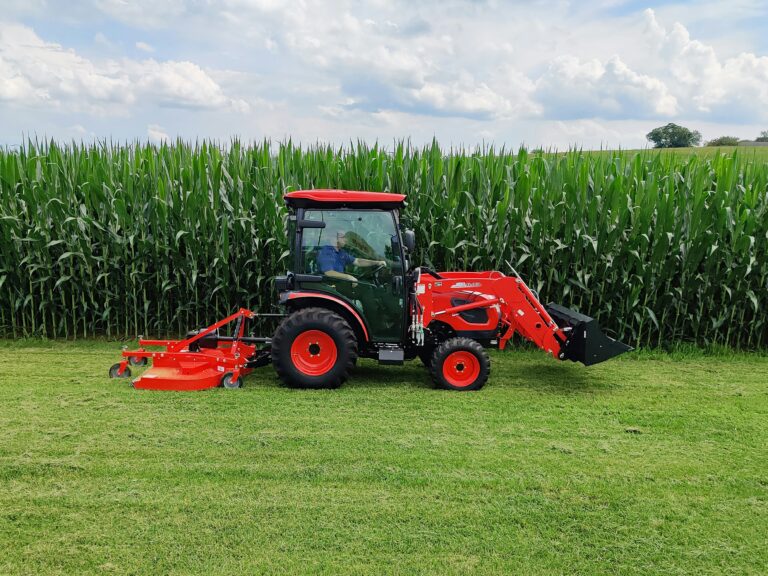
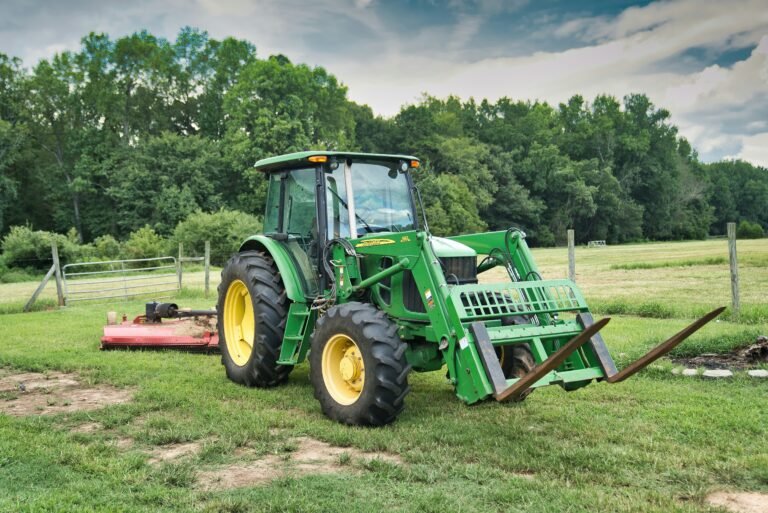
If your compact tractor is straining under the workload, that feeling is the whole reason this category exists. A utility tractor runs 40 to 100-plus horsepower, a real step up from the 20-to-60 HP range most compacts live in. That extra power lets a utility tractor handle round hay bales instead of just small squares, pull a full-size disc or plow instead of a garden tiller, and run heavier loader and hydraulic implements all day without bogging down. Compact tractors are built for mowing and light hauling in tight spaces; utility tractors are built for actual fieldwork — row cropping, livestock chores, and heavy material handling. If you’re outgrowing your current machine, a utility tractor is the class you’re shopping in.
The Tariff Story Driving the Best Utility Tractor Search This Year
Here’s the part that makes 2026 different from any other year you’ve shopped for a tractor. Tariffs on imported ag equipment dropped from 25% to 15% starting June 8, running through the end of 2027, with an even lower 10% rate available to manufacturers using mostly U.S.-sourced steel, aluminum, and copper. Sounds like good news, and it is — but utility tractors specifically didn’t dodge the bullet the way some other equipment did. USDA’s own research arm estimates that 60% of small utility tractors sold in this country are foreign-built, which is a much bigger import exposure than you’d guess. And even with the rate cut, the relief is limited for utility tractor buyers, because tariffs now apply to the full value of the machine instead of just the steel components. So don’t expect utility tractor prices to drop back to where they were — expect them to just stop climbing quite as fast.
Why the Best Utility Tractor Deal Is Harder to Find Right Now
Demand is down, but that doesn’t mean deals are easy to come by. Industry tracking from the Association of Equipment Manufacturers showed overall tractor sales down 21% in May compared to a year earlier, and used utility tractor inventory specifically dropped 28% according to Sandhills Global’s market data. That’s a sharper drop than most other equipment categories saw, and it means finding the best utility tractor deal takes more patience than it used to. Farmers on TractorByNet have been comparing notes on just how far prices have climbed — one owner tracked his own buying history on a Kubota L-series, from around $19,000 for a base model in 2001 to roughly $45,000 for a similarly-sized upgrade in 2025, with only modest horsepower gains between them. Someone else in the thread pointed out that inflation alone accounts for a good chunk of that jump, so it’s not purely price gouging — but it still stings when you’re the one signing the loan paperwork.
What’s New on the Lot for Utility Tractor Shoppers in 2026
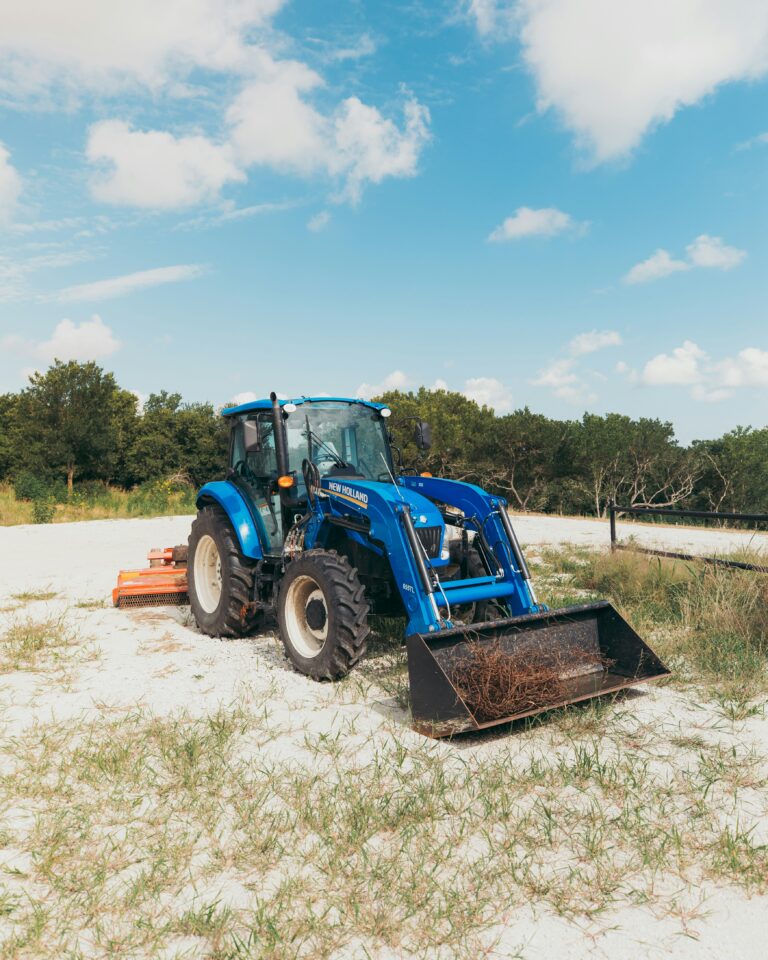
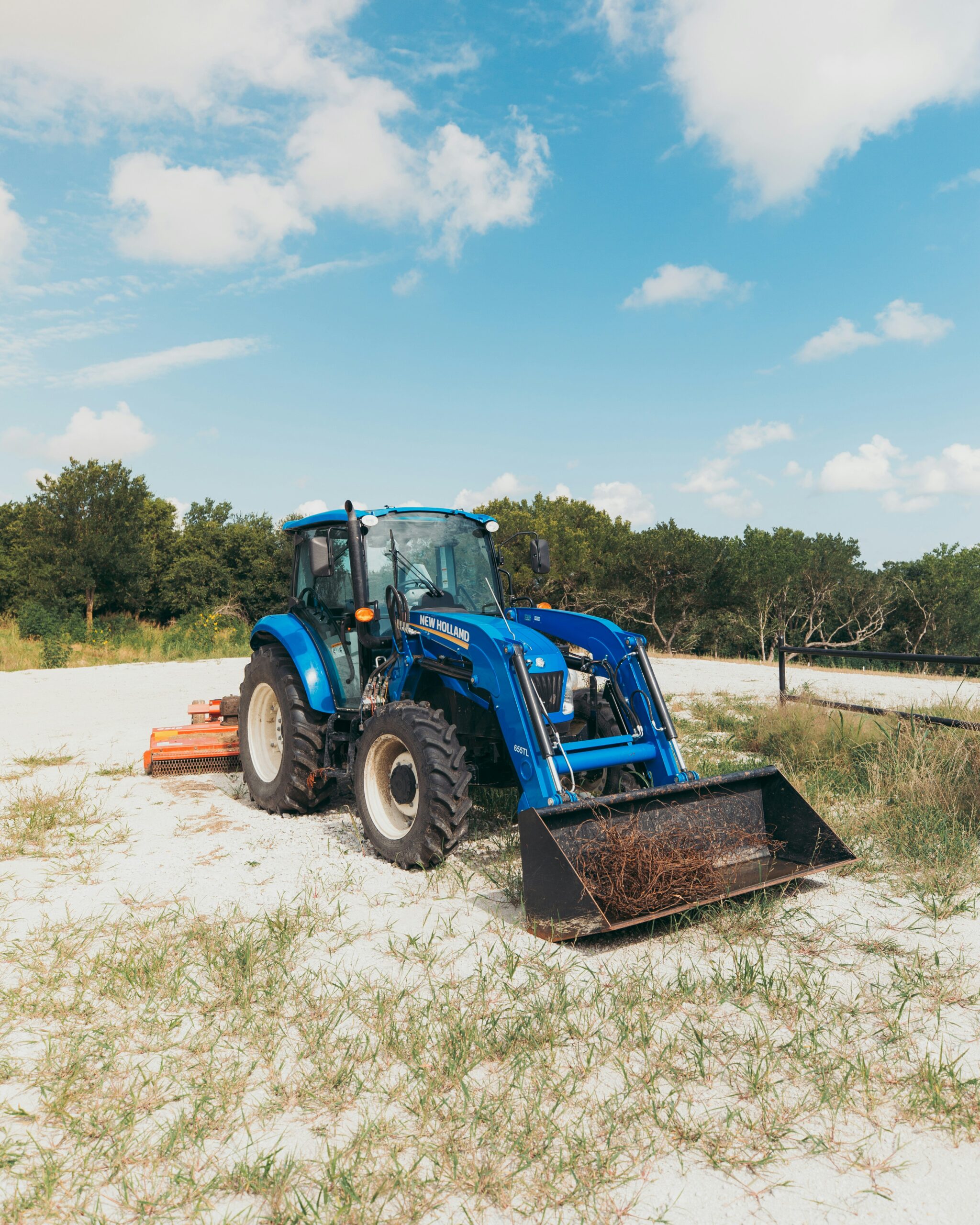
Even with sales soft, manufacturers haven’t stopped rolling out new iron in the utility tractor space. New Holland introduced its Workmaster Plus Series this year, a fresh utility line spanning 90 to 120 horsepower with standard enclosed cabs and fleet connectivity built in — a direct new entrant right in the heart of this category. Kioti launched its CK40 Series with heavier lift capacity and full telematics compatibility, and Case IH debuted the Farmall 35A and 40A at national ag shows earlier this year. John Deere is refreshing its 1 Series compact utility line for the 2027 model year with an available HVAC cab. One detail worth knowing if the import story above caught your attention: even a tractor as popular as the John Deere 5075E, one of the most commonly recommended utility tractors on the market, is built in Pune, India — a reminder that brand loyalty doesn’t always mean domestic manufacturing.
The Compact-vs-Utility Debate Every Buyer Eventually Has
This is a real conversation utility tractor buyers are having on the forums right now, not a hypothetical. A farmer posted on TractorByNet just this June, torn between a larger utility tractor for the ground clearance he needs working timber, or sticking with a big compact for the agility he wants around the yard — weighing a Massey Ferguson 2606H, the Massey 2E50/60, and a Kubota MX5200 against each other. That’s the exact fork in the road a lot of utility tractor buyers hit. There’s also a real strain of skepticism worth acknowledging: plenty of owners on these forums argue that a tractor from 20 or 25 years ago does the same job just fine, and that the only real difference in a new one is emissions equipment and electronics that are just one more thing to break. That’s not wrong, necessarily — it’s a legitimate reason some buyers are leaning toward good used iron instead of chasing the newest model year.
What This Means For You If You’re Shopping Right Now
Given tighter used inventory and prices that aren’t dropping fast, plenty of buyers are going to end up looking at used utility tractors this year — so know what to check before you hand over a deposit. Run the hydraulics under load and watch for slow response or drift; a hydraulic pressure test gauge kit tells you in ten minutes whether a pump is on its way out. Pull out a Fluke 115 multimeter and check the charging system before you buy — electrical gremlins are cheap to diagnose yourself and expensive to pay a dealer to chase down later. And if the utility tractor’s been sitting on a lot a while, don’t assume the battery’s fine; a NOCO Genius 10 will tell you fast whether it’s just been idle or actually dying.
Bottom line: the best utility tractor purchase in 2026 is going to depend less on which brand’s paint you like and more on timing your purchase around a tariff window that runs through 2027, being realistic about new versus used, and actually inspecting whatever you’re buying before the money changes hands.
FAQ
What horsepower is considered a utility tractor? Utility tractors generally run from 40 up to 100 horsepower or more, compared to compact tractors, which typically top out around 60 HP, and sub-compacts, which stay under 25 HP.
Is 2026 a good time to buy a utility tractor? It depends on new versus used. New tractor prices are still elevated due to tariffs, though the June 2026 rate cut to 15% offers some relief through 2027. Used utility tractor inventory has tightened significantly, so good used deals may take more searching than usual.
What is the best utility tractor for a small farm in 2026? For most small farms, a 40-60 HP utility tractor from a brand with solid local dealer support — John Deere’s 5E Series, Kubota’s MX Series, or New Holland’s new Workmaster Plus line are common starting points — covers hay, loader work, and mid-size implements without overbuying. If mowing is a big part of the job, check your PTO horsepower before buying a cutter — here’s what size bush hog a 40 HP tractor can actually run.
What’s your take on this? Drop it in the comments.