Tractor Grease in 2026: The Mixing Mistake That’s Costing Farmers Twice
Some links here are affiliate links — if you buy through them, Dirt Road Mechanic earns a commission at no extra cost to you. It never affects which parts or tools we recommend. Full disclosure.
Tractor grease isn’t something most of us think twice about — you grab a tube, load the gun, hit the zerks, and move on with your day. But this year that habit is worth a second look, because the price of that tube has been climbing fast, and the reason why is bigger than your local Tractor Supply. This piece walks through what’s actually driving tractor grease prices up in 2026, the mistake that’s quietly costing farmers more than the price hike itself, and how to actually pick the right grease for the job instead of grabbing whatever’s cheapest on the shelf.
Why Tractor Grease Prices Are Jumping in 2026
Here’s the short version: a conflict between the U.S./Israel and Iran back in late February closed off the Strait of Hormuz for a stretch, and that waterway carries a big chunk of the world’s oil trade. Base oil — which makes up most of what’s actually in a tube of grease — got expensive fast, and the big lubricant suppliers didn’t sit on that cost. Chevron announced up to a 25% jump on its greases and oils. AOCUSA raised grease prices twice in a row, adding up to 18 cents a pound. Calumet, which owns Royal Purple, tacked on another 20% to its lineup. Industry pricing trackers have counted more than 30 separate price increase announcements since March. None of this is a one-time spring price bump — it’s a real supply shock working its way through, and most folks tracking it expect prices to stay up for a good while yet, even if crude oil settles down, because lubricant pricing always lags behind crude and companies are slow to hand margin back once they’ve got it.
That matters for a simple reason: when tractor grease gets pricier, people start reaching for whatever’s cheapest, and that’s exactly when the wrong choice does the most damage.
The Tractor Grease Mistake That’s Costing Farmers Twice
Grease isn’t just “grease.” Underneath that generic word, you’ve got different thickener types — lithium, lithium complex, aluminum complex, polyurea, calcium sulfonate — and here’s the part that trips people up: some of these don’t play well together. Mix the wrong two, and instead of protecting a bearing or a pin, you can actually cause the grease to break down faster than either one would on its own.
This isn’t theoretical — it’s already happening at dealer counters. Over on Green Tractor Talk, one owner posted that their John Deere dealer was flat out of JD Poly grease, and the service manager suggested swapping in a lithium-complex moly grease instead. Another member jumped in with the warning: mixing lithium and polyurea grease is a bad idea because each one speeds up the other drying out. That’s a real farmer, at a real counter, about to make a real mistake — and it’s the kind of thing that doesn’t show up as a sudden failure. It shows up months later as a dry, squeaking joint that seized up quietly, the same kind of slow failure we’ve covered on PTO shafts before.
Choosing the Right Tractor Grease Isn’t One-Size-Fits-All
The second half of the mistake is assuming one tub of grease covers every grease point on your tractor. It doesn’t, and this comes straight from the manufacturers themselves — Kubota’s own lubricant guidance calls for a general-purpose NLGI #2 grease on tie rods and wheel bearings, but a moly-fortified grease specifically for pins and front loader points. It’s the same kind of spec-matters lesson we ran into with Kubota’s UDT2 hydraulic fluid — the manufacturer isn’t being picky for no reason.
Why the split? Moly (molybdenum disulfide) is great under heavy, slow-moving pressure — think loader pins and bushings — but it’s actually a bad match for roller and ball bearings. Farmers on TractorByNet have hashed this out plenty: moly is so slick that it can keep roller bearings from rotating the way they’re supposed to, which over time scores and flattens the rollers instead of protecting them. So the same tube that’s perfect for your loader arm can quietly wear out your wheel bearings if you use it everywhere.
The fix is simple, even if it means keeping two tubes around: a general-purpose lithium or lithium-complex NLGI #2 grease like John Deere’s HD Lithium Complex Grease for your bearings and tie rods, and a moly-fortified grease for pins and loader points. Check your owner’s manual — it’ll tell you exactly where each one goes, the same way we’ve pointed people back to the manual on John Deere hydraulic fluid specs.
One more thing worth mentioning: how you apply tractor grease matters almost as much as which one you buy. A cordless option like the Milwaukee M18 Cordless Grease Gun is fast, but it’s easy to blow past the point where the joint is actually full and push grease straight through a seal. A manual pistol-grip gun, like the Bravex Heavy Duty Pistol Grip Grease Gun, gives you more feel for when to stop. Either way, a locking coupler like the LockNLube Grease Coupler saves you from the classic mess of grease squirting back at you mid-pump, which also means less waste at a time when every ounce costs more than it did last year.
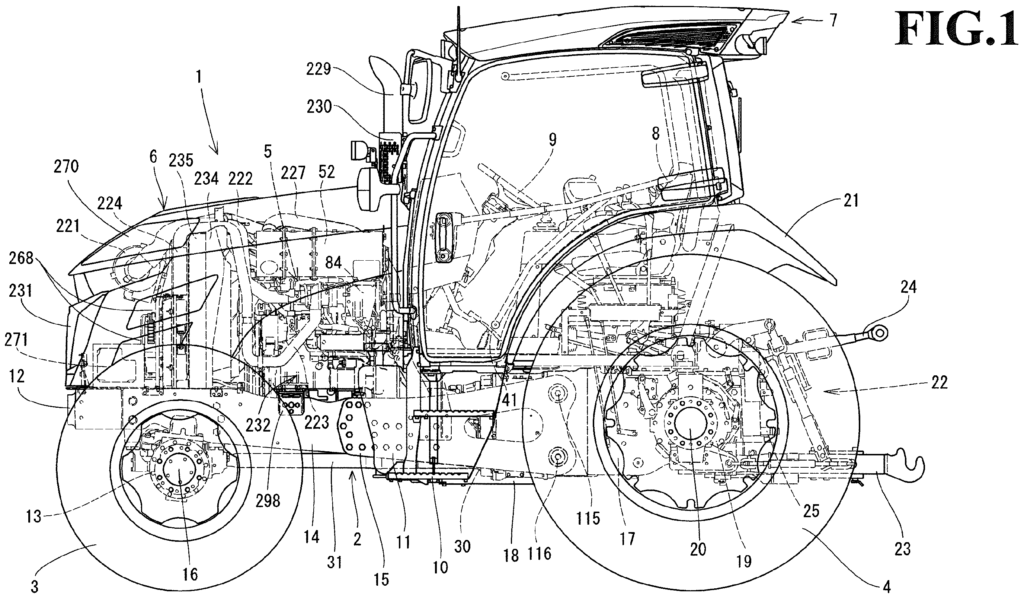
Grease zerks for an 8R John Deere tractor
What This Means For You
If you’re due for a grease run, don’t just grab whatever’s cheapest because prices have you looking for a deal. Buy the right type for each job, don’t mix thickener families, and don’t switch brands mid-season without checking compatibility first. Given where prices are headed, buying right the first time is cheaper than buying twice. For more on keeping your equipment ahead of problems instead of chasing them, our Maintenance guides cover the rest of your routine service.
FAQ
What kind of grease should I use on my tractor? Most tractors need a general-purpose NLGI #2 lithium or lithium-complex grease for bearings and tie rods, plus a moly-fortified grease for loader pins and bushings. Check your owner’s manual for the exact spec.
Can I mix different types of tractor grease? No — mixing incompatible thickener types (like lithium and polyurea) can cause the grease to break down faster and stop protecting the part properly. Stick with one type per grease point.
Why is tractor grease so expensive right now? A 2026 conflict in the Middle East disrupted oil shipping through the Strait of Hormuz, driving up base oil costs. Major suppliers passed those costs on with price hikes ranging from double-digit percentages to per-pound increases specifically on grease.
What’s your take on this? Drop it in the comments.